
Local doctors’ alert on needless health crisis for Caribbean New Yorkers
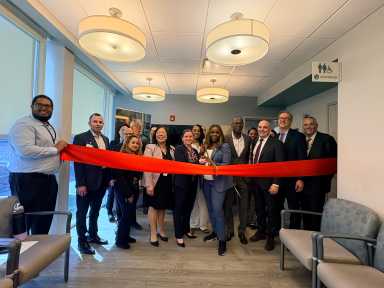
According to doctors at Maimonides Medical Center, too many Caribbean New Yorkers who’ve experienced a stroke, heart problem, or other serious medical emergency are finding out they have high blood pressure (hypertension) or diabetes afterwards.
Dr. Cary Daniel, a Haitian-born physician at Maimonides Health’s new Nostrand Avenue Multispecialty Center in Crown Heights, spoke with Caribbean Life about this, and said that it’s one of the common ways in clinical practice for patients to discover they have these conditions. This can also happen during a routine visit or an emergency room visit.
“Many people live with hypertension or diabetes for years before receiving a diagnosis because both conditions can develop silently,” he explained. “Hypertension is often called the ‘silent killer’ because a person may feel completely healthy while damage is occurring to the heart, kidneys, blood vessels, and other organs.”
On why it takes so long, he shared that a delayed diagnosis is often linked to limited access to healthcare, lack of insurance, demanding work schedules, competing family responsibilities, and missed opportunities for preventive screening.
According to a report published last year by the New York City Department of Health and Mental Hygiene (DOHMH), In East Flatbush, where Black Caribbean immigrants make up a large share of residents, hypertension rates were reported around 36%. The report also states that diabetes rates are around 15%, but what makes this worse is that traditional screenings may miss the risk of this condition in Caribbean people.
Dr. Daniel also stated that these high rates of hypertension and diabetes in Caribbean communities are influenced by a combination of medical, social, and economic factors, including limited access to affordable healthy foods, chronic stress, financial pressures, barriers to healthcare access, and immigration-related challenges.
“Uncontrolled hypertension and diabetes increase the risk of heart disease, stroke, kidney disease, vision loss, nerve damage, and reduced mobility,” Dr. Daniel stated. “Many individuals develop complications during their most productive years, affecting their ability to work, care for family members, and remain active within their communities.”
Things that can increase the risk for people of developing hypertension and diabetes, according to Dr. Daniel, include family history, genetics, excess weight, physical inactivity, diets high in sodium and processed foods, tobacco use, and chronic stress.
“Another important factor is acculturation, which refers to the health changes that can occur as immigrants adopt American lifestyle habits over time. Research suggests that dietary changes, decreased physical activity, and accumulated stress may contribute to worsening health outcomes in some immigrant populations,” he added.
In addition, he said that individuals with a family history of hypertension, diabetes, stroke, or heart disease should be screened regularly and discuss their risk with their healthcare provider. Knowing your family history is one of the most important tools for prevention and early detection.
Dr. Daniel also shared that one of the greatest challenges with hypertension is that it often causes no symptoms at all.
But he said when symptoms do occur, they may include headaches, dizziness, blurred vision, shortness of breath, or chest discomfort. For diabetes, warning signs may include excessive thirst, frequent urination, unexplained fatigue, blurred vision, slow-healing wounds, numbness or tingling in the hands or feet, and darkened skin around the neck or underarms, which can be a sign of insulin resistance.
“The sooner these conditions are identified, the sooner treatment can begin and serious complications can be prevented, Dr. Daniel continued. His advice to the Caribbean community is simple: “Know your numbers. Regular blood pressure checks and blood sugar screenings are quick, inexpensive, and widely available. Do not wait for symptoms to appear before getting screened.”
Furthermore, Dr. Daniel wants everyone to remember this one thing: “Do not wait until you feel sick. Know your blood pressure, know your blood sugar, know your family history, and see a healthcare provider regularly. Early detection and prevention remain the most effective tools for reducing the burden of hypertension and diabetes in Caribbean communities.”