
ADIFF celebrates over 30 years of ArtMattan Films
The African Diaspora International Film Festival (ADIFF), in partnership with ArtMattan Films, announced a special virtual mini festival running from May through September, celebrating more than 30 years of film distribution by ArtMattan Films.
Presented nationwide, ADIFF said the series offers a “rare opportunity to experience a curated selection of films drawn from the ArtMattan catalog — works that reflect a commitment to independent cinema shaped by diverse histories and lived realities.”
Organized around monthly themes, the upcoming program unfolds as follows: June — Father’s Day; July — Films for the Family; August — Great African Films; and September — Voices from Latin America.
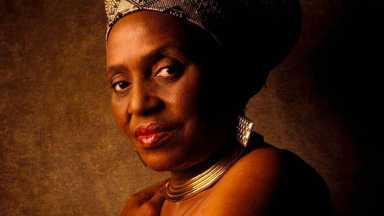
ADIFF said the May program, dedicated to Mother’s Day, reflected the breadth of the catalog with films such as Village Keeper (Toronto International Film Festival); Mama Africa: Miriam Makeba, a widely celebrated classic; Mother Suriname (IDFA); and Faraw: Mother of the Dunes from Mali (Cannes 1997).
“Together, they bring into focus stories centered on women, family, and resilience across different cultural contexts,” ADIFF said.
“For more than 30 years, ArtMattan Films has focused on making visible stories that exist outside dominant circulation,” said Dr. Reinaldo Barroso-Spech, president of ArtMattan Films and co-director of ADIFF. “This series brings those films back into view — to be seen and engaged with in the present.”
Through this virtual series, ADIFF said it creates a space of access across the country, inviting audiences to “encounter films that rarely circulate, yet remain grounded in lived experience, memory, and the complexity of everyday life.”
ADIFF said its selection reflects its mission: presenting films from the United States and around the world exploring the human experience of people of color, with particular focus on people of African descent and Indigenous communities.
“These films reflect different realities of motherhood — women navigating difficult conditions while holding their families together,” says Diarah N’Daw-Spech, co-director of ADIFF. “We wanted to make these stories accessible to audiences across the country.”