
33rd African Film Festival lights up NYC
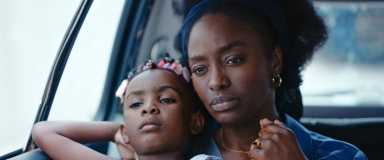
The lineup includes over 50 features and 60 shorts, with many filmmakers joining for post-screening conversations.
NYAFF is co-presented by the Africa Center, Film at Lincoln Center (FLC), the Maysles Documentary Center, BAM (Brooklyn Academy of Music), and the New York City Parks Department.
Through performances, reflections, and conversations, AFF said the program will explore how these spaces are forged and sustained, and how ancestral memory, spiritual cosmologies, and creative practice shape African and Diasporic worlds.
T
A scene from Irene Tassembedo’s prize-winning film La Traversée (The Crossing). Photo courtesy AFFhe African Film Festival (AFF) in New York brings together artists, filmmakers, and cultural practitioners to explore its central theme, “As the Stars Sow the Earth,” which examines how Black communities transform displacement, ecological damage, and historical rupture into opportunities for renewal and creativity. The festival opens with a Town Hall that sets this tone, connecting visual art, land stewardship, and performance.
Opening Night on May 6 at Film at Lincoln Center features the New York premiere of Promised Sky by Erige Sehiri, a Cannes-selected drama about an Ivorian pastor in Tunisia who builds a surrogate family with migrant women. The festival’s centerpiece, The Eyes of Ghana, executive-produced by Barack and Michelle Obama and directed by Oscar winner Ben Proudfoot, follows 93-year-old photographer Chris Hesse as he works to preserve an archive that could reshape historical narratives.
The program includes a wide range of premieres and special screenings. Highlights include Gabriel Souleyka’s The Soul of Africa, a documentary on spiritual traditions, and Rumba Royale, which explores nightlife and photography in 1959 Congo. Two restored classics — Férid Boughedir’s Caméra Arabe and Paulin Soumanou Vieyra’s En résidence surveillée — will debut in the U.S., accompanied by discussions. Additional films such as Lace Relations examine global cultural connections, while Idris Elba’s short Dust to Dreams portrays ambition and family tensions in Lagos.
Closing Night features a curated shorts program centered on protection, identity, and resilience. Beyond screenings, the festival offers a retrospective digital exhibition, 36 Years at NYAFF, showcasing archival materials and honoring influential figures in African and diasporic cinema.
The festival extends into Harlem (May 15–17) with documentary-focused programming, including La Traversée on migration, Wolobougou on maternal healthcare in Burkina Faso, and Reclaiming Cocoa, which addresses resource exploitation. Films like Amílcar and Miss Jobson highlight resistance and activism, while others explore identity, including trans experiences under migration pressures.
In Brooklyn (May 22–28), AFF partners with BAM’s DanceAfrica through FilmAfrica, spotlighting Ugandan and Pan-African cinema. Screenings range from classic works like Black Girl to contemporary films such as Lady and Cotton Queen. The section opens with A Tribe Called Love, a modern Romeo-and-Juliet story, and features My Father’s Shadow, the UK’s Oscar submission.
Overall, NYAFF presents a rich, multidisciplinary celebration of African and diasporic storytelling, blending film, history, and cultural dialogue across multiple New York venues.